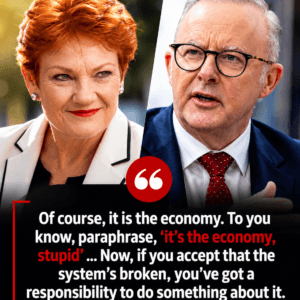
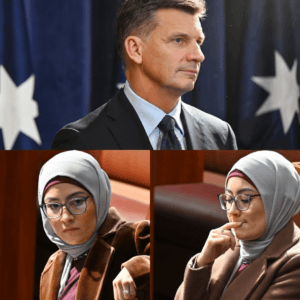
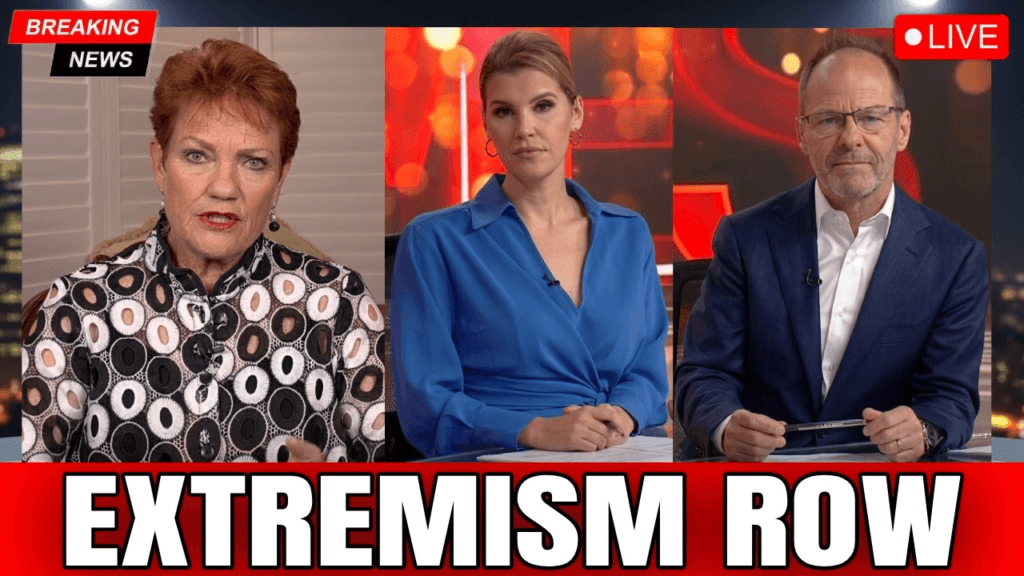
Pauline Hanson has expressed shock at Senator Fatima Payman’s comments regarding two nurses who made controversial remarks.
She said she was gobsmacked when Payman appeared to defend the nurses and portrayed them as victims.
Hanson noted that the Premier of New South Wales has stated the nurses will never work in the state again.
The Premier has also called for an investigation into whether similar views exist among other hospital staff.
Hanson said she saw no joking in the nurses’ comments and described their words as filled with hate.
She criticised Payman for never defending Jewish Australians during incidents such as the “gas the Jews” chants at the Opera House.

Hanson contrasted this with Payman’s support for Palestinian protesters and described the situation as disgusting.
She argued that people who express such views should never work anywhere in Australia.
Hanson suggested that if the nurses hold dual citizenship their Australian citizenship should be stripped.
She added that family members who feel the loss should consider leaving the country with them.
Hanson said these people do not want to assimilate into Australian society.
She claimed they hate Australian laws, culture and way of life.
Hanson warned that Australia has been too lax in screening immigrants.
She said police are reluctant to enter certain Muslim-dominated suburbs in western Sydney.
Hanson compared the situation to problems seen in France, Germany and Britain.
She warned that once certain population percentages are reached authorities lose control.
Hanson said this is only the beginning and the situation will worsen in the next 10 to 15 years.
When asked about extremist hotspots she named Iran, Iraq, Afghanistan, Egypt and Lebanon.
She acknowledged that not all people from these countries support extremist ideology.
Hanson called for thorough investigations into individuals before granting entry or citizenship.
She proposed extending the pathway to citizenship from two years to eight years.
Hanson said applicants should be assessed as adults based on their behaviour and criminal record.
She argued citizenship should not be granted to those who cannot learn the language or respect Australian culture.
Hanson said people who break the law or show no regard for Australian values should not become citizens.
The interview also discussed the Sam Kerr case in the United Kingdom.
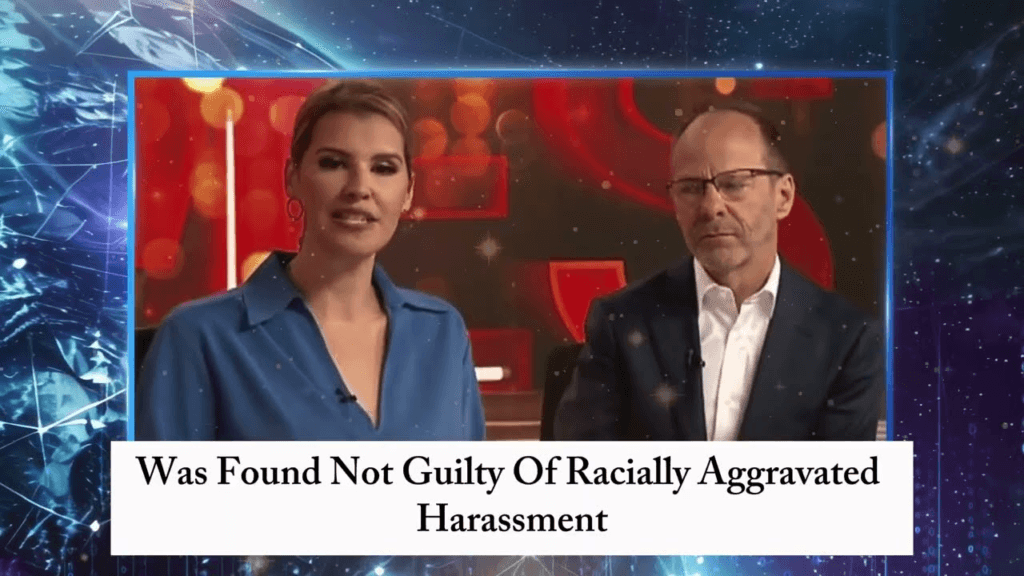
Hanson compared it to her own legal case involving Senator Mehreen Faruqi.
She argued there is reverse racism where white people are now afraid to speak freely.
Hanson said she does not make disparaging comments about people of colour.
She claimed her comments to Faruqi were not racist but a response to ungrateful behaviour.
Hanson said her statement was simply suggesting that if someone does not like the country they should consider leaving.
She criticised section 18C of the Racial Discrimination Act for restricting freedom of speech.
Hanson said she introduced a private member’s bill for a referendum to enshrine freedom of speech in the Constitution.
She noted that both the Coalition and Labor voted against the bill.
Hanson argued that major parties do not want people to have genuine freedom of speech.
She said the Australian people not the courts will ultimately judge her.
Hanson expressed frustration that political correctness prevents honest conversation on important issues.
The interview highlights deep divisions in Australian politics over immigration, integration and freedom of speech.
Hanson’s strong language reflects her long-held views on these topics.
Her comments continue to resonate with a significant portion of her supporters.
The discussion also raises questions about how racism is perceived and applied in different legal systems.
Hanson maintains her remarks were not racist while describing the other party’s comments as racist.
The exchange shows how quickly a single incident can expand into broader debates about national identity and social cohesion.
Hanson’s warnings about demographic change and loss of control echo concerns she has raised for many years.
Whether these views lead to policy changes remains to be seen.
The interview once again demonstrates Hanson’s willingness to speak bluntly on sensitive topics.
It also reveals the strong reactions her positions continue to provoke across the political spectrum.