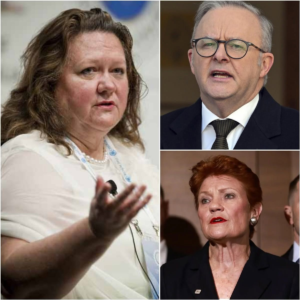
Australian Prime Minister Anthony Albanese faced pointed questioning from Sunrise presenter Natalie Barr over his government’s housing and tax reforms, as concerns about public confusion and the political consequences of major policy changes became the focus of a televised exchange.
During the interview on 26 June 2026, Barr challenged Albanese over whether the government had properly explained its proposed changes and whether the public’s reaction suggested that ministers had underestimated the concerns of ordinary Australians. Albanese rejected the suggestion that he was out of touch, defending the reforms as necessary measures to address problems in the housing market.
The exchange highlighted a central dilemma facing the government: how to pursue long-term structural reforms while maintaining public confidence when the changes generate uncertainty, confusion or opposition.
Barr Questions the Government’s Approach
Barr’s questioning focused not only on the substance of the reforms but also on the way the government had presented them.
She argued that Australians had spent weeks trying to understand the proposed changes and seeking advice from accountants. Her challenge was whether announcing major policy measures and then consulting the public was an effective way to govern.
“Do you think you’re out of touch?” Barr asked.
Albanese answered directly that he did not believe he was. He countered that failing to address a housing system widely regarded as dysfunctional would be the real mistake.
The Prime Minister maintained that the government had a responsibility to act when it believed existing arrangements were disadvantaging younger Australians. Barr, however, distinguished between agreement that housing affordability needed attention and approval of the specific measures the government had chosen.
That distinction was central to the interview. A policy can respond to a recognised problem while still attracting criticism over its design, timing, communication and likely consequences.
Housing Affordability at the Centre of the Dispute
The disagreement took place against the backdrop of Australia’s continuing housing affordability debate.
For many younger Australians, purchasing a first home has become increasingly difficult because of high property prices, deposit requirements and the cost of borrowing. Governments have faced growing pressure to increase housing supply and address the advantages and disadvantages built into the property market.
Albanese defended changes to negative gearing and capital gains tax arrangements as part of his government’s effort to improve opportunities for first-home buyers.
Negative gearing allows investors to deduct eligible losses on an investment property against other taxable income, subject to the applicable rules. Supporters of restricting the tax treatment argue that existing arrangements can give investors an advantage when competing with people seeking to purchase a home to live in.
Opponents have raised concerns about the potential effects on investment, rental supply and property markets. The extent of those effects depends on the details of any changes and how investors, developers, landlords and home buyers respond.
Albanese argued that the government’s proposed arrangements were designed to protect existing investments while changing the treatment of future purchases. He said the objective was to give younger buyers a fairer opportunity to compete for existing homes.
Barr’s challenge was whether the government had communicated those details effectively enough to prevent uncertainty among households.
The Prime Minister Defends His Record
Albanese rejected the characterisation that the government had acted without adequate preparation. He said there had been substantial discussion before the Budget and explained that some details were released later because of the need to avoid interfering with market-sensitive information.
He also pointed to parliamentary processes and further debate over the implementation of the changes, including issues affecting start-up businesses.
The Prime Minister maintained that existing arrangements would be protected for properties already covered by the relevant rules and argued that legislation would help clarify what the changes meant in practice.
He further suggested that public concern had been intensified by inaccurate claims circulating online. In his view, Australians should judge the reforms according to the actual legislation rather than what he described as misleading interpretations.
Barr continued to question the government’s handling of the announcement, arguing that the confusion itself was part of the problem. The exchange therefore moved beyond a disagreement about tax policy to a broader question of political communication and trust.
For the government, the challenge is to demonstrate that the reforms will deliver their intended benefits. For critics, the announcement process raises questions about whether the public received enough information to understand the consequences before the debate intensified.
Public Confidence and the Cost of Policy Uncertainty
The interview illustrates why the presentation of economic policy can be almost as politically significant as the policy itself.
Major changes to taxation and housing can affect long-term financial decisions. Property owners, prospective buyers, landlords and small businesses may need to understand whether new rules apply to them, when changes take effect and whether transitional arrangements exist.
When the details are unclear, people may seek professional advice or delay decisions until they have greater certainty. Even when a government believes its proposals are justified, the resulting confusion can undermine confidence in its competence.
At the same time, the political difficulty of reform does not necessarily mean that governments should avoid difficult decisions. Housing affordability involves competing interests, and measures intended to improve access for one group can affect the incentives facing another.
The relevant test is whether the government can explain the problem it is trying to solve, demonstrate why its chosen approach is appropriate and provide credible evidence of the results.
Clear communication cannot eliminate disagreement, but it can help the public distinguish between the confirmed effects of a policy and predictions about what might happen.
Journalism, Accountability and Political Debate
Barr’s interview also illustrates the role of breakfast television in holding senior politicians to account. Direct questioning can require leaders to explain decisions in terms that viewers can understand, particularly when policies have consequences for household finances.
However, challenging a politician and establishing whether a policy will succeed are different tasks. A forceful exchange may expose disagreements and unanswered questions, but the substantive merits of a reform ultimately depend on evidence, implementation and measurable outcomes.
ed the competing demands facing policymakers: addressing long-term structural problems, protecting people from unintended consequences and maintaining public confidence during periods of change.
Ultimately, whether the government’s approach proves successful will depend on more than its ability to defend the policy in a television interview. The decisive questions are whether the reforms improve access to housing, whether their effects match the government’s stated objectives and whether Australians receive clear, reliable information about how the changes affect them.
For Albanese, the political challenge is to show that the government can deliver meaningful reform without losing the trust of the people it says it is trying to help.