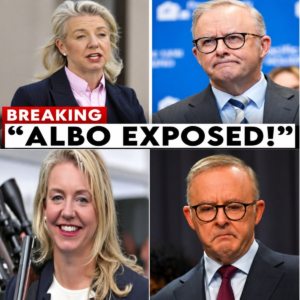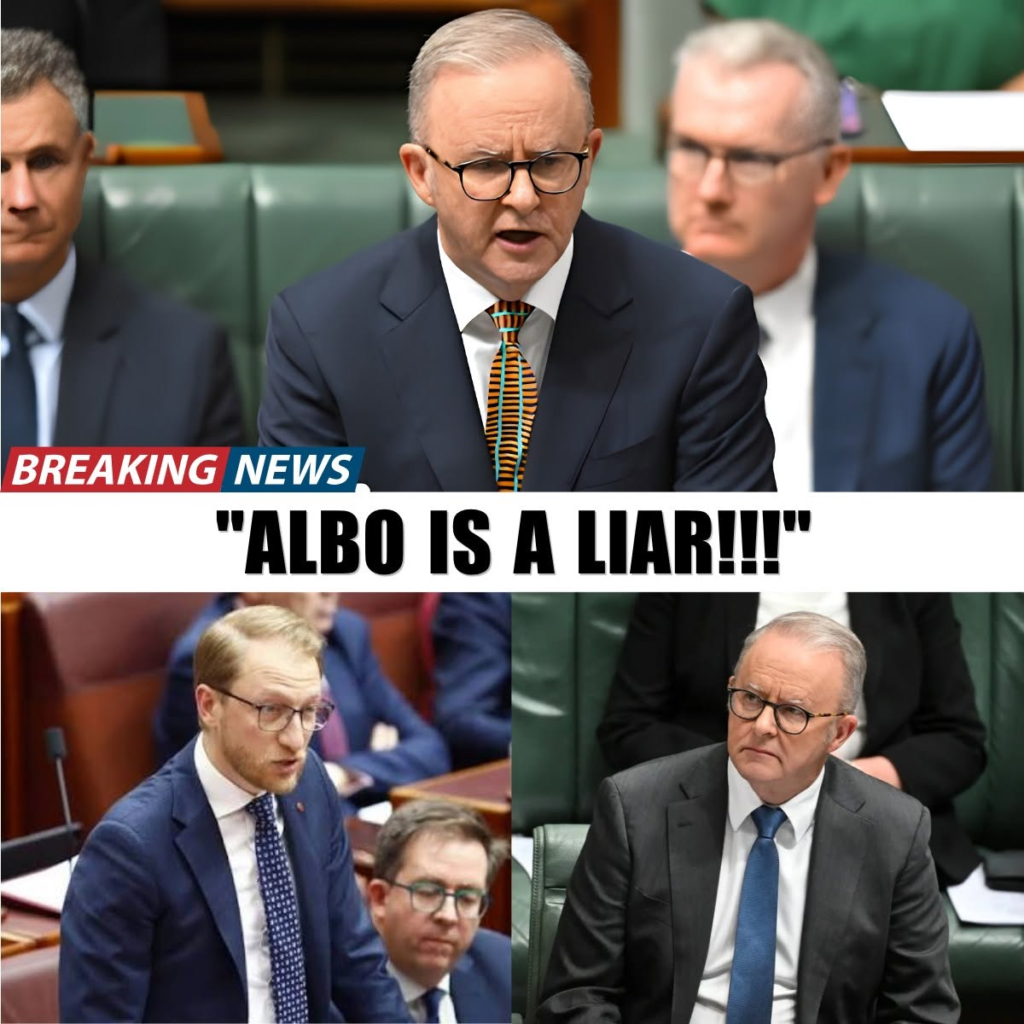
Australia’s political scene just erupted. Prime Minister Anthony Albanese came under intense pressure during a heated exchange with Shadow Finance Minister James Paterson, who accused the government of misleading the public over controversial taxpayer-funded travel perks.
Prime Minister Anthony Albanese is under intense pressure after opposition finance spokesman James Paterson accused him of lying about changes to politicians’ travel expense rules. The controversy has escalated following revelations that Sports Minister Anika Wells used taxpayer funds to fly her husband and children to major sporting events and ski trips, sparking widespread public anger at a time when many Australians are facing cost-of-living pressures.
The issue erupted when it emerged that the Albanese government amended travel regulations just six weeks before the May federal election. The changes reportedly made it easier for MPs to claim expenses for activities described as “promoting government policy.” Critics argue the timing was politically convenient and lacked transparency.
During a press conference intended to address the growing scandal, Albanese stated he was unaware of the power to change the rules and remarked, “Not my problem. I don’t make the rules.” This comment drew immediate criticism from the opposition, who pointed out that Special Minister of State Don Farrell had already amended the regulations.
James Paterson branded Albanese’s statements as outright lies rather than simple misunderstandings. He argued that if Farrell could modify the rules so easily, Albanese’s claim of complexity or ignorance was not credible. “If he’s not fixing it, it’s because he doesn’t want to fix it,” Paterson said, adding fuel to public discontent over the use of taxpayer money.
The amendments have allowed a significant increase in claims. Reports suggest Farrell himself has spent over $116,000 on family travel since the 2022 election. The opposition has highlighted the contrast between these expenses and the financial struggles faced by many ordinary Australians.

Opposition Leader Susan Ley offered bipartisan cooperation on travel reform, but her proposal has been met with scepticism due to her own past controversies involving taxpayer-funded trips. This has left Paterson leading the charge on the issue for the Coalition.
The scandal has raised broader questions about accountability and integrity in the management of public funds. Many Australians are asking why rules governing politicians’ expenses appear to favour those in power while ordinary citizens face rising costs for essentials.
Albanese’s government has defended the changes by saying they were necessary to clarify entitlements and improve administrative efficiency. However, the opposition maintains the timing and nature of the amendments suggest self-interest rather than good governance.
The controversy has also drawn attention to the broader culture surrounding politicians’ entitlements. Critics argue that successive governments from both major parties have been reluctant to impose stricter controls on travel and other expenses, leading to repeated scandals that erode public trust.
Paterson has called for an independent review of all politicians’ travel entitlements, arguing that the current system lacks sufficient oversight and transparency. He says clearer rules and stronger enforcement are needed to prevent misuse of public money.
The government has so far resisted calls for a full independent inquiry, stating that existing mechanisms are adequate. However, with public anger growing, pressure is mounting on Albanese to provide clearer answers and take concrete steps to restore confidence.
The issue has become particularly sensitive because it touches on fundamental questions of fairness. At a time when many households are struggling with inflation, housing costs, and rising living expenses, the perception that politicians are bending rules to their own advantage has struck a raw nerve.

Political analysts say the scandal could have lasting implications for Albanese’s leadership and the government’s standing ahead of the next election. Trust in politicians is already low, and repeated controversies over entitlements risk further damaging public faith in the political system.
Both sides of politics have a history of travel expense controversies, which has led some commentators to argue that meaningful reform will only occur if there is genuine cross-party commitment. Without it, the cycle of outrage followed by limited action is likely to continue.
As the story develops, Australians are watching closely to see how the Prime Minister and his government respond. Will they commit to greater transparency and tighter rules, or will the issue be allowed to fade once public attention shifts?
The current controversy serves as a reminder that in a democracy, those who hold public office are ultimately accountable to the people who pay their salaries and fund their expenses. How Albanese handles this test of leadership may significantly shape perceptions of his government’s integrity in the months ahead.