Australia Faces Growing Pressure Over ISIS-Linked Returnees
Australia’s handling of citizens linked to Islamic State (ISIS) is facing renewed scrutiny as political leaders confront calls for stronger national security measures. The possible return of Australian women and children held in detention camps in Syria has intensified debate over public safety, citizenship and the government’s responsibilities.
At the centre of the controversy is whether authorities can adequately assess and manage the risks posed by individuals returning from territory once controlled by ISIS. The government must balance security concerns with intelligence assessments, criminal investigations, humanitarian considerations and existing legal obligations.
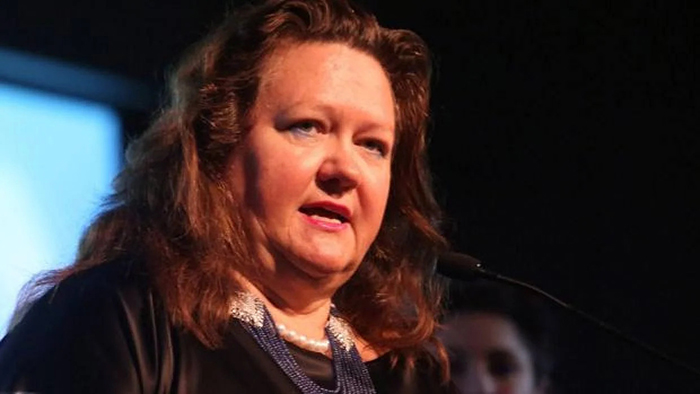
Billionaire Gina Rinehart has been linked to calls for a permanent ban on ISIS-linked women returning to Australia and the cancellation of their passports. However, the exact wording attributed to her has not been independently verified. The broader debate reflects growing demands for a clear and effective response to Australians connected to the terrorist organisation.
Although ISIS lost control of its territory, concerns about its ideology, networks and legacy remain. Australian women and children are among those held in detention facilities in northeastern Syria, but their individual circumstances and connections to the group vary.
Authorities face the task of assessing each case, investigating potential offences and determining what legal measures may be necessary. Intelligence gathering, cooperation with international partners and appropriate monitoring arrangements may all form part of that process.
The debate has also raised questions about government preparedness. Australians want to know how returning individuals would be assessed, how credible allegations of criminal activity would be investigated and what safeguards would be available to address potential security threats.
While some operational details must remain confidential, the government can explain its overall strategy, the responsibilities of relevant agencies and the legal powers available to manage identified risks.
Calls for a blanket ban reflect concerns that allowing ISIS-linked individuals to return could endanger the public. However, treating every case identically may fail to account for differences between adults suspected of involvement in terrorist activities and children who had little control over their circumstances.
A more targeted approach would assess individual risks and apply appropriate measures. Where sufficient evidence exists, criminal prosecution may be warranted. In other cases, authorities may need to consider other lawful measures to address potential threats.
The consequences of a poorly managed response could be serious. Inadequate investigations or failures to coordinate intelligence could leave genuine risks unaddressed. Conversely, indiscriminate restrictions could face legal challenges and overlook important differences between individual cases.
Children require particular consideration. Those who spent their formative years in conflict zones may need education, psychological support and individual assessments. Their circumstances should not automatically be equated with allegations against adult relatives.

The government must therefore demonstrate that its approach is both vigilant and legally sound. Public confidence will depend on effective coordination between intelligence agencies, police and border authorities, as well as transparent explanations of how risks are assessed and managed.
The controversy has become a test of political leadership, with some demanding tougher restrictions and others emphasising the need for practical measures grounded in evidence and Australian law.
Ultimately, the debate over Australians linked to ISIS extends beyond calls for bans or passport cancellations. The central question is whether the government has a credible plan to identify threats, investigate suspected offences and protect the public.
The precise remarks attributed to Rinehart remain unverified, but the issue continues to raise difficult questions about national security, citizenship and accountability. Australians will expect the government to demonstrate that its policies deliver effective protection rather than relying on political rhetoric alone.