Small Business Revolt Intensifies with Nationwide Ads and Canberra Billboards Targeting Card Surcharge Ban and Rising Costs
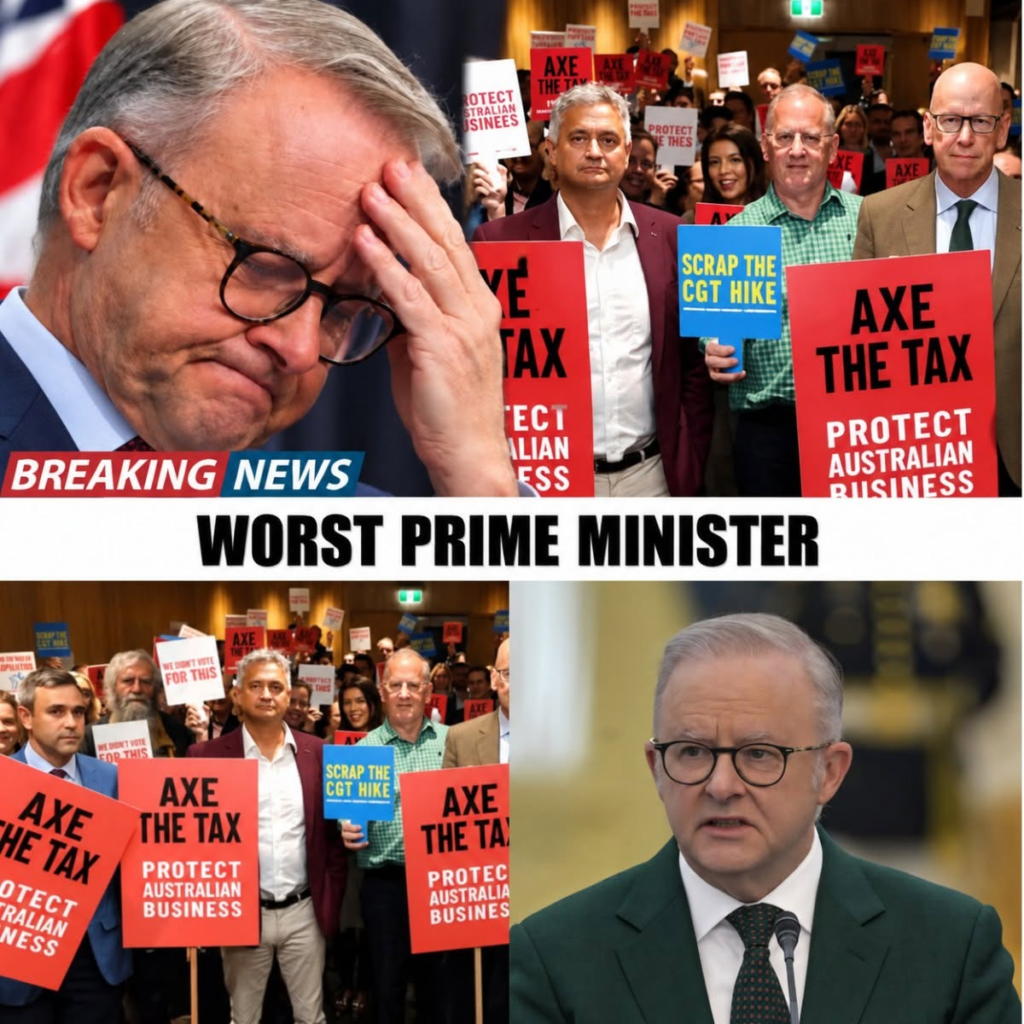
Australian small business is fighting back. In a high-profile campaign that has placed billboards in Canberra and advertisements on national television, entrepreneur Joseph Dowd has directly challenged the Albanese government over policies he says are choking the life out of the sector. The immediate trigger is the ban on card surcharges, which forces businesses to absorb bank processing fees they can no longer pass on to customers. Combined with earlier moves by the Australian Taxation Office to restrict credit-card payments for tax bills — a decision now delayed after fierce backlash — the episode has crystallised broader frustration with a government many business owners believe does not understand how small enterprises actually operate.
Dowd, founder of It’s Simple Finance, has put his own money behind the effort. The advertisements are blunt: more than 375,000 businesses closed last year, costs for rent, insurance, wages and stock continue to rise, and the surcharge ban is portrayed as one more burden operators can no longer absorb. The closing message is simple and pointed: stop taxing ambition.
The Policy That Sparked the Revolt
From 1 October, businesses were prohibited from adding a separate surcharge when customers pay by card. The government’s intention was to reduce costs for consumers. The practical effect, business owners argue, has been to transfer the full cost of card acceptance onto operators already dealing with thin margins. Bank fees did not disappear; they simply became another overhead that must be recovered through higher prices, reduced hours, or lower profits.
The simultaneous ATO plan to stop businesses using credit cards to pay tax obligations from late November intensified the sense of siege. For many small operators, the ability to manage cash flow by paying tax on card was a practical necessity. Cutting it off was compared by critics to restricting essential services. Treasurer Jim Chalmers eventually intervened to delay the ATO measure, a move widely interpreted as a response to the scale of the backlash. Dowd and others regard the delay as only a partial win; the surcharge ban remains in force.
A Voice from Outside the Political Class
What distinguishes this campaign is its origin. Dowd is not a peak-body lobbyist or a corporate chief executive. He is a small-business operator who previously paid for the opportunity to play tennis with the Prime Minister at a charity auction and used the occasion to deliver unfiltered feedback. His current advertising effort continues that direct style. He argues that decisions affecting small business are being made by people who have never run one — lifelong politicians with “the softest hands in Australia.”
The personal tone is deliberate. Dowd contends that the cumulative weight of higher input costs, regulatory changes and tax settings is crushing operators who work long hours for diminishing returns. The surcharge ban, in this account, is not an isolated misstep but the latest example of policy made for a press release rather than for the realities of the shop floor, the café counter or the trades van.
Government Backtracking and Political Cost
The rapid delay of the ATO credit-card restriction shows the government remains sensitive to organised business anger. Yet the surcharge ban itself has not been reversed, leaving the core grievance unaddressed. Billboards greeting parliamentarians in Canberra this week ensure the issue cannot be easily ignored. The message is designed to follow MPs from the airport to the chamber: small business is watching, and it has had enough.
For the Albanese government, the timing is awkward. Cost-of-living pressures remain the dominant political issue. Policies that can be portrayed as increasing costs for the businesses that employ millions of Australians cut against the government’s claim to be managing the economy in the interests of ordinary people. Every visible concession, such as the ATO delay, reinforces the impression of a government reacting to pressure rather than anticipating consequences.
Broader Discontent
The campaign sits within a wider pattern of business frustration. Operators point to rising insurance premiums, energy costs, wage pressures and regulatory complexity. Many feel the government’s attention is directed toward large-scale spending programs, international commitments and cultural priorities while the day-to-day viability of small enterprises is treated as secondary. Dowd’s advertisements channel that sentiment into a simple, repeatable demand: stop adding costs that businesses cannot recover.
A Test of Responsiveness
Joseph Dowd has made clear he intends to keep the pressure on. The combination of television advertising, targeted billboards and blunt public commentary ensures the issue will remain visible while Parliament sits. Whether the government further adjusts the surcharge rules, offers compensatory measures, or simply attempts to wait out the anger will reveal how seriously it takes the small-business constituency.
For many operators, the principle is straightforward. Banks still charge for processing payments. Someone has to pay. When the government removes the ability to recover that cost transparently, it does not eliminate the expense — it merely dictates who absorbs it. Small businesses argue they are already absorbing too much. The advertisements now running across the country are their way of saying so in language politicians cannot easily ignore.
Anthony Albanese and his ministers face a clear choice. They can engage with the practical concerns of the operators who form the backbone of local economies, or they can treat the campaign as an unwelcome distraction. The billboards in Canberra and the advertisements on television suggest the distraction will not fade quietly. Small business has found a loud, self-funded voice. The government must now decide whether it is prepared to listen.