A sharp political clash has erupted in Australia after David Crisafulli publicly rejected the federal government’s proposed national gun buyback program, delivering a significant challenge to Prime Minister Anthony Albanese and his administration. The dispute highlights deep divisions between Canberra and the states over how best to address public safety, national security, and the rights of lawful firearm owners following recent violent incidents that shocked the nation.

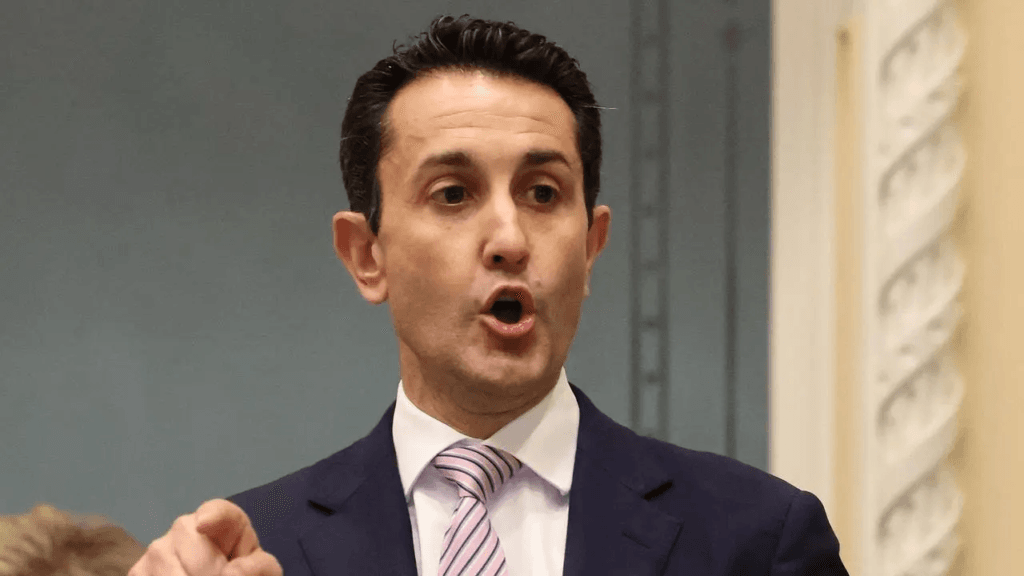
Crisafulli’s remarks came during a press conference in Brisbane, where he argued that the proposed buyback would unfairly penalize responsible gun owners without effectively targeting those who pose genuine threats. He insisted that Queenslanders, particularly farmers, hunters, and residents of remote communities, rely on firearms for legitimate purposes and should not be burdened by policies designed for urban contexts. According to the premier, forcing citizens to surrender legally owned weapons or face financial penalties would erode trust between the public and government authorities.
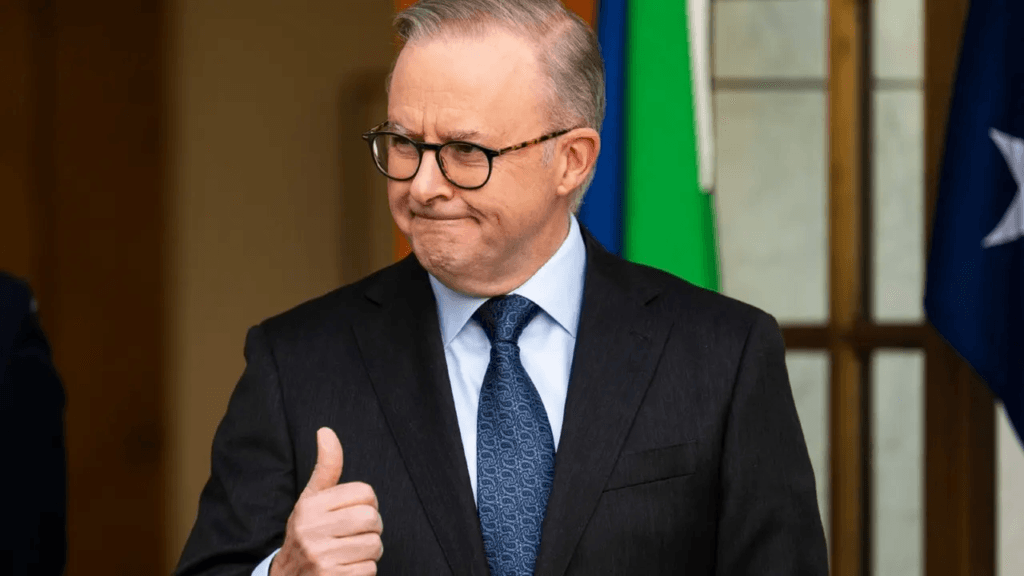
The federal plan, strongly backed by Albanese, aims to reduce the number of privately held firearms nationwide by offering compensation for surrendered weapons while tightening regulations on ownership and storage. Supporters in Canberra contend that such measures are necessary to prevent future tragedies and align Australia with some of the world’s strictest gun control standards. However, critics argue that the approach overlooks the complexity of regional needs and risks imposing disproportionate costs on states with large rural populations.
Central to Crisafulli’s opposition is the assertion that the program fails to address what he described as “intelligence and security gaps” exposed by the recent Bondi incident, a violent event that reignited debate over counterterrorism preparedness. He suggested that resources would be better spent strengthening surveillance, intelligence sharing, and law enforcement coordination rather than funding a sweeping buyback initiative. By shifting the focus toward prevention and response capabilities, Queensland officials believe the country could more effectively mitigate threats without alienating lawful gun owners.
The financial dimension of the proposal has further intensified tensions. Canberra has urged states to contribute hundreds of millions of dollars toward the program’s implementation, a demand that several state leaders view as an overreach of federal authority. Queensland’s government maintains that such expenditures would strain budgets already allocated to healthcare, infrastructure, and disaster recovery. Crisafulli emphasized that his administration’s priority is to safeguard economic stability while addressing safety concerns in a targeted manner.
Political analysts note that the confrontation reflects broader questions about federalism in Australia, particularly the balance of power between national and state governments. Gun policy, while influenced by federal legislation, often requires cooperation from state authorities for enforcement and funding. Without Queensland’s participation, the effectiveness of a nationwide buyback could be significantly reduced, potentially encouraging other states to reconsider their support.
Public reaction has been mixed, with advocacy groups on both sides mobilizing quickly. Gun control organizations warn that rejecting the program could undermine efforts to reduce violence and prevent weapons from reaching criminal networks. Conversely, rural associations and agricultural groups have praised the premier’s stance, arguing that urban policymakers frequently overlook the realities of life outside major cities. The debate has spilled onto social media, where citizens express concerns about safety, personal freedoms, and the role of government in regulating firearms.
Security experts caution that while buyback programs can reduce the availability of certain weapons, they are not a comprehensive solution to terrorism or organized crime. Many emphasize the importance of intelligence operations, border control, and community engagement in identifying threats before they materialize. These perspectives align with Crisafulli’s argument that addressing systemic vulnerabilities may yield more sustainable results than broad restrictions.
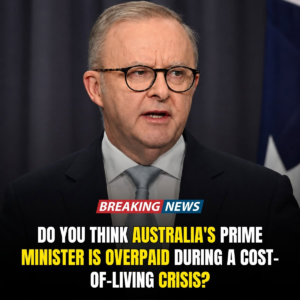
Within the federal government, officials have defended the proposal as part of a multifaceted strategy rather than a standalone measure. They argue that reducing the overall number of firearms in circulation lowers the risk of misuse and complements other initiatives aimed at strengthening national security. Albanese has yet to respond directly to Crisafulli’s latest comments, but insiders suggest negotiations between Canberra and the states will continue in an effort to reach a compromise.
The standoff also carries political implications ahead of future elections. Both leaders are under pressure to demonstrate decisive action while maintaining public confidence. For Albanese, advancing the buyback program could reinforce his government’s commitment to safety reforms. For Crisafulli, resisting federal pressure may bolster his image as a defender of regional interests and state autonomy.
As discussions unfold, the outcome remains uncertain. The clash between national priorities and regional perspectives underscores the complexity of policymaking in a diverse country where security concerns intersect with cultural traditions and economic realities. Whether through compromise or continued confrontation, the debate over the gun buyback program is poised to shape Australia’s political landscape for months to come.
For now, Queensland’s refusal represents a formidable obstacle to Canberra’s plans and a reminder that achieving nationwide consensus on sensitive issues requires navigating not only legal frameworks but also the deeply held values of communities across the continent. The coming weeks will determine whether dialogue can bridge the divide or whether the disagreement will escalate into a prolonged constitutional and political battle.