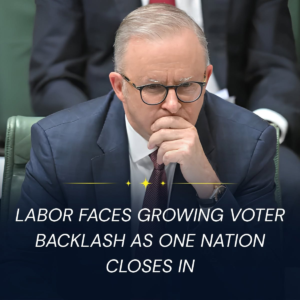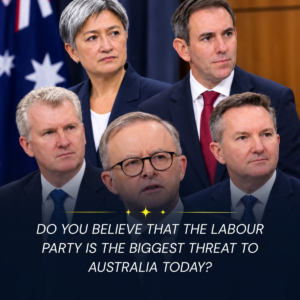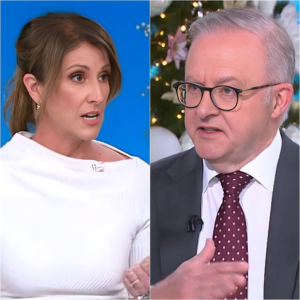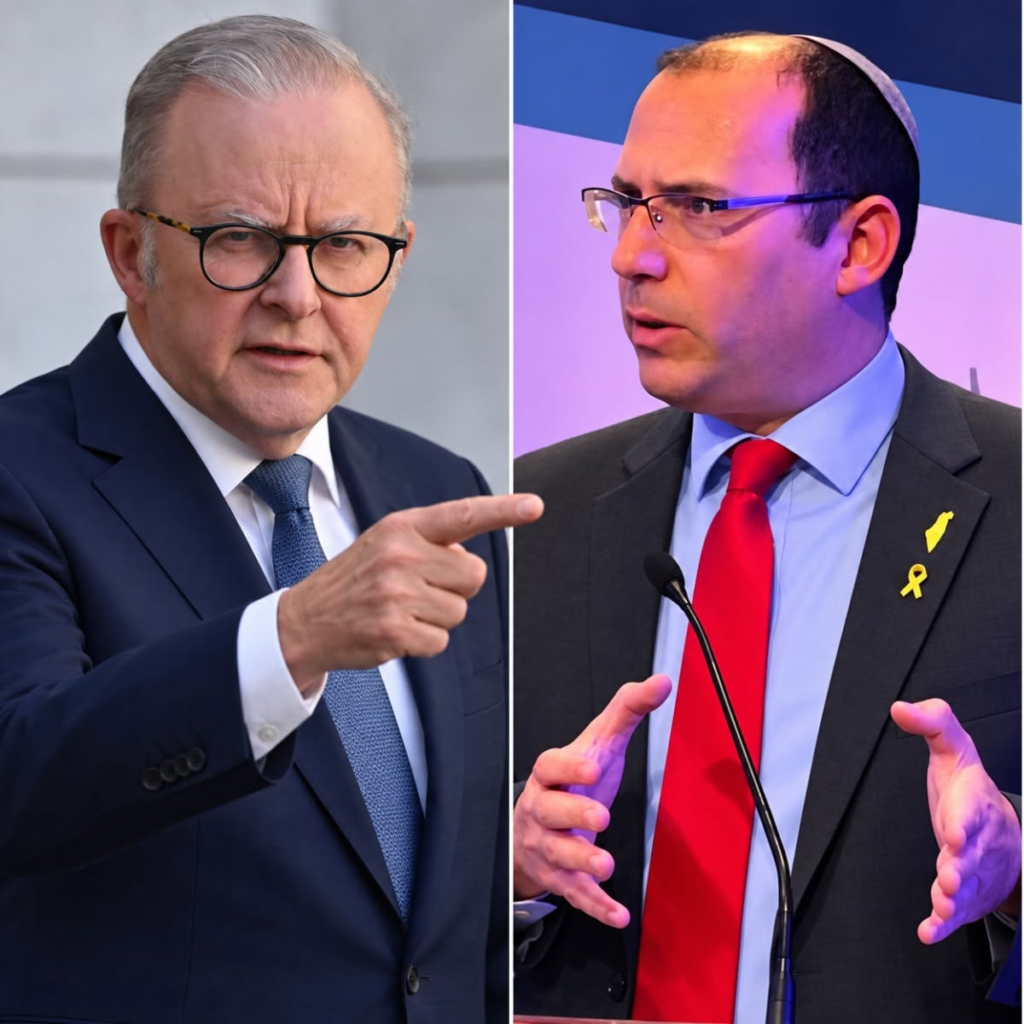
A furious dispute between the Albanese government and a prominent Jewish advocacy group erupted in the aftermath of the Bondi Beach terror attack, after Australian Jewish Association president Robert Gregory called for federal Labor ministers to be barred from Jewish events unless they supported a Royal Commission. What followed exposed a much deeper argument over accountability, community trust and the government’s response to the massacre.
The confrontation began with a blunt demand.
In early January 2026, the Australian Jewish Association (AJA), led by Robert Gregory, called on Jewish organisations to consider refusing invitations to federal Labor ministers unless they publicly supported a Royal Commission into the 14 December 2025 Bondi Beach Chanukah attack, in which 15 people were killed.
Gregory argued that Jewish institutions should not become what he described as political “photo opportunities” for ministers who had not supported the inquiry his organisation was demanding.
The statement immediately transformed an already painful national debate into a direct political confrontation.
GREGORY DELIVERS THE ULTIMATUM
The AJA’s position was explicit: federal Labor ministers who did not publicly call for a Royal Commission should not be welcomed at Jewish venues or events.
Gregory said the organisation believed the government was showing “profound disrespect” to victims’ families and the wider Jewish community by resisting repeated calls for a national inquiry.
The dispute was particularly explosive because the attack had occurred only weeks earlier.
The Bondi Beach massacre targeted people attending a Chanukah celebration and was subsequently described by Albanese as an antisemitic terrorist attack inspired by ISIS.
For Gregory and the AJA, the central issue was not simply what happened on the night itself.
It was whether authorities had done enough before the attack to respond to Australia’s growing antisemitism and the security concerns repeatedly raised by Jewish Australians.
That question became the heart of the political battle.
THEN THE PRESSURE ON ALBANESE INTENSIFIED
Initially, Albanese resisted calls for a federal Royal Commission.
On 21 December 2025, the government announced an independent Commonwealth review led by former intelligence chief Dennis Richardson, focusing on federal law-enforcement and intelligence agencies.
Critics argued that the review was too narrow.
Families of victims, Jewish organisations and other public figures wanted a broader investigation into the circumstances surrounding the attack and the wider rise of antisemitism.
That disagreement produced an extraordinary political spectacle.
A prime minister who had repeatedly spoken about standing with Australia’s Jewish community was simultaneously facing demands from Jewish advocates to prove that commitment through a much broader investigation.
And Gregory was not backing away.
“THE GOVERNMENT WAS WARNED”
Gregory’s criticism became even sharper after the attack.
He told AFP that the massacre was “entirely foreseeable”, arguing that the Albanese government had been warned repeatedly but had failed to take adequate action to protect Jewish Australians.
That is Gregory’s assessment, rather than an established finding of fact.
The government disputed the broader political interpretation, pointing instead to actions it had already taken against antisemitism and to its cooperation with investigations into the attack.
But the criticism struck at one of the most sensitive questions in Australian politics:
Could more have been done before 14 December?
That question would eventually become part of a much larger official investigation.
ALBANESE MAKES A DRAMATIC REVERSAL
Then came the development that dramatically changed the political landscape.
On 8 January 2026, Albanese announced a Federal Royal Commission into Antisemitism and Social Cohesion, chaired by former High Court Justice Virginia Bell.
The commission would examine the circumstances surrounding the Bondi attack as well as the broader issue of antisemitism and social cohesion.
The government’s position had therefore moved from resisting a federal Royal Commission to establishing one.
For critics, the reversal became evidence that sustained pressure had worked.
For the government, the move was presented as part of a broader effort to investigate antisemitism, strengthen community safety and ensure lessons were learned from the tragedy.
Either way, the political stakes had changed completely.
THE PM’S OWN WORDS NOW CARRY MORE WEIGHT
When announcing the commission, Albanese spoke emotionally about the victims and survivors.
He said those who gathered at Bondi Beach that night should have been safe celebrating Chanukah with their families and communities. He also said the government had listened to Jewish community leaders and families of victims and survivors.
That created a striking contrast with the confrontation that had unfolded only days earlier.
One side was demanding:
“Show us accountability.”
The government was saying:
“We are listening and taking action.”
And the Royal Commission ultimately became the mechanism through which those competing claims could be tested against evidence.
BUT THE CONTROVERSY DIDN’T END WITH THE COMMISSION
The political argument has continued throughout 2026.
The Royal Commission has examined security arrangements, antisemitism and the protection of Jewish Australians at public events.
Gregory has also appeared before the commission, arguing for stronger security arrangements at Jewish gatherings and supporting a government review of whether licensed security guards should have greater protective capabilities.
Meanwhile, the commission’s interim findings have added another layer to the debate.
The interim report found that no federal or state agency had identified legislative or regulatory barriers that could have prevented the Bondi attack, while making recommendations concerning counter-terrorism coordination and security at high-risk Jewish events.
That does not settle every question about political responsibility.
But it does demonstrate why the demand for a formal inquiry became such a consequential issue.
FROM A POLITICAL BOYCOTT TO A NATIONAL INQUIRY
What began as one Jewish advocacy organisation calling for Labor ministers to stay away from Jewish events ultimately became part of a much larger national examination.
The confrontation therefore leaves behind a much bigger question than whether Albanese was welcome at a particular event.
It raises a question about the relationship between political leadership and a community demanding answers after Australia’s deadliest terrorist attack.
When a government says it stands with a community — how should that commitment be measured when that same community is demanding accountability?
The Royal Commission is now tasked with examining the evidence. Its final findings, rather than the most explosive political claims on either side, will determine what conclusions can ultimately be drawn.