Calls for Albanese, Burke and Wong to Give Evidence to Antisemitism Royal Commission
Calls for senior Australian government ministers to give evidence to the Royal Commission on Antisemitism and Social Cohesion have added another layer to the debate over how the country has responded to rising antisemitism and the Bondi terrorist attack.
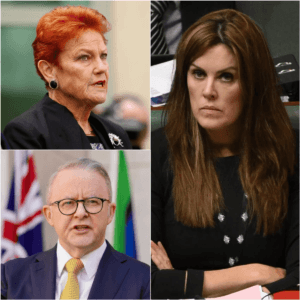
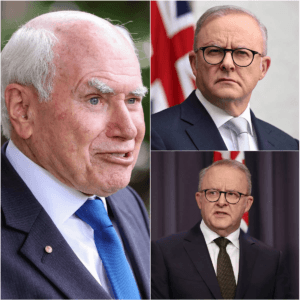
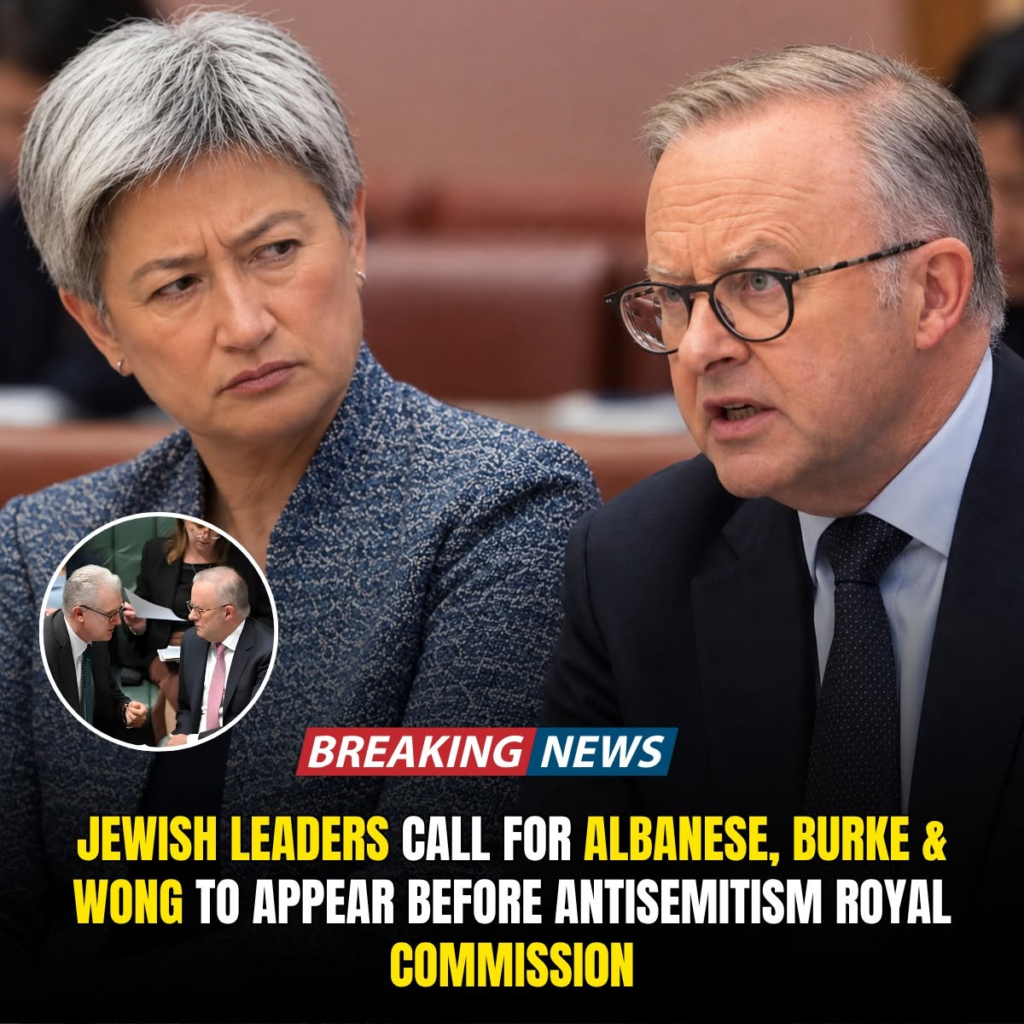
Jewish community figures and some political representatives have argued that Prime Minister Anthony Albanese, Home Affairs Minister Tony Burke and Foreign Minister Penny Wong could have provided important information about government decisions and policy responses during a period of heightened concern within the Australian Jewish community.
The issue has attracted renewed attention following the conclusion of the commission’s public hearings in August 2026.
The Royal Commission was established by the Albanese government in January following the December 2025 terrorist attack at Bondi Beach, where 15 people were killed during a Hanukkah event. Former High Court justice Virginia Bell was appointed as commissioner.
The commission’s terms of reference cover antisemitism in Australia, social cohesion and issues surrounding the circumstances and response to the Bondi attack.
Its work has included evidence from Jewish community representatives, survivors, government officials, politicians, security experts and other witnesses.
Among those who appeared was former Attorney-General Mark Dreyfus, who spoke about his own experiences of antisemitism and the challenges facing Jewish Australians.
Jewish community representatives have also given evidence about security concerns affecting synagogues, schools and other Jewish institutions.
During hearings in July, representatives of the Adass Israel Synagogue discussed security concerns before the synagogue was damaged in a 2024 firebombing. Other Jewish leaders described the growing costs associated with protecting community facilities.
These hearings have provided the commission with testimony about both individual experiences and broader concerns over community safety.
Why Are Ministers Being Mentioned?
The argument for hearing from Albanese, Burke and Wong centres on their respective government responsibilities.
Albanese is the prime minister and chaired the government’s response to the broader national security and social cohesion issues following the Bondi attack.
Burke, as Home Affairs Minister, has responsibility for important areas of Australia’s national security and immigration framework, including agencies and departments involved in counter-terrorism.
Wong, as Foreign Minister, has responsibility for Australia’s foreign policy, including Australia’s response to developments in the Middle East.
Supporters of calls for their evidence argue that hearing directly from ministers could help explain how major government decisions were made and what considerations influenced them.
A June submission reported by the Australian Jewish News specifically called for the commission to hear from political leaders who had shaped government policy, public messaging and responses to antisemitism.
The argument is not necessarily that the ministers would be responsible for individual acts of antisemitism.
Rather, supporters say their evidence could help establish the policy and decision-making context surrounding the period examined by the commission.
The Commission’s Independence
There is an important distinction between calling for someone to give evidence and deciding that person should be called.
A Royal Commission operates independently of the government that establishes it.
When Albanese was asked in January whether he would be prepared to give evidence, he said that decision would be a matter for the Royal Commission itself.
He also said the government would allow the commission to operate independently and would not direct the commissioner on who should appear.
Burke has taken a similar position.
On the final day of public hearings in August, he was asked why particular ministerial decisions had not been examined through evidence from ministers.
Burke said neither he nor other government members had interfered with the Royal Commission and that decisions about who should give evidence were for the commission.
That position reflects the basic distinction between the government’s responsibility for establishing the inquiry and the commissioner’s responsibility for conducting it.
What the Commission Has Examined
The inquiry has already examined a wide range of issues.
The interim report released in April considered the circumstances surrounding the Bondi attack and the actions of relevant agencies.
The government said the commission found that Australia’s existing legal and regulatory frameworks did not prevent agencies from responding to the attack, while making recommendations aimed at strengthening national counter-terrorism arrangements.
The interim report contained 14 recommendations.
Among the issues examined were security arrangements around Jewish events and the coordination of relevant authorities.
Reporting on the interim findings said the commission found that a high level of threat had been identified around the Chanukah event at Bondi, while questions remained about the adequacy of the risk assessment and policing arrangements.
The commission subsequently continued with broader hearings examining antisemitism and social cohesion.
Evidence From the Jewish Community
For many Jewish Australians who appeared before the commission, the inquiry has been an opportunity to describe experiences that they say have affected their daily lives.
Witnesses have spoken about harassment, intimidation, security concerns and the effect of antisemitism on schools, religious institutions and community organisations.
In May, the commission was told that some Jewish witnesses experienced increased online harassment after giving evidence.
Commissioner Virginia Bell said reports of intimidation had been received and that one matter had been referred to the Australian Federal Police.
Further hearings in July focused on security at Jewish sites.
Community representatives described increased security requirements and significant financial costs associated with protecting Jewish schools, synagogues and other institutions.
These accounts have formed an important part of the commission’s examination of antisemitism in Australia.
Calls for Greater Accountability
Those seeking evidence from the senior ministers argue that community testimony should be accompanied by direct explanations from government decision-makers.
Liberal MP Julian Leeser has been among those who questioned why Albanese, Wong and Burke had not been called.
According to the Australian Jewish News, Leeser argued that the three ministers could have provided additional context to the commission’s work.
The argument has also been raised by other commentators and community representatives.
Their position is that an inquiry examining government responses should, where relevant, have access to those who made or were responsible for major decisions.
However, that argument remains a matter of debate rather than a finding by the Royal Commission.
Government’s Position
The government’s position has been that the Royal Commission must be allowed to make its own decisions.
That approach was also evident in responses from both Albanese and Burke.
Wong has similarly emphasized the independence of the commission when responding to questions about its work.
During a Senate debate in August, Wong said the Royal Commission was independent and that the government would continue to act on advice from Australia’s security agencies.
The government’s position is therefore that political leaders should not determine the commission’s witness list or attempt to influence the inquiry’s findings.
This does not necessarily mean ministers could never give evidence.
Rather, the decision rests with the commissioner and the legal framework governing the inquiry.
A Broader Debate About Antisemitism
The question of ministerial evidence sits within a much broader discussion about antisemitism in Australia.
The Royal Commission has examined not only the Bondi attack but also the experiences of Jewish Australians and the wider conditions affecting social cohesion.
Evidence has included discussions about antisemitism in schools, universities, workplaces, public spaces and online environments.
The inquiry has also examined questions about media coverage and public debate.
In July, Australia’s Special Envoy to Combat Antisemitism, Jillian Segal, gave evidence about concerns within the Jewish community regarding coverage of the Israel-Gaza conflict by public broadcasters. ABC and SBS rejected calls for an external body to oversee their reporting.
The range of issues illustrates the complexity of the inquiry.
It is not limited to determining what happened on one day in Bondi.
It is also examining the broader environment in which antisemitism has developed and how Australian institutions have responded.
What Happens Next?
The Royal Commission’s public hearings concluded in August, although the commission’s work is not finished.
Its final report is expected later in 2026.
The report will provide the commission’s formal findings and recommendations based on the evidence it has received.
The question of whether Albanese, Burke or Wong should have appeared as witnesses will therefore remain part of the discussion surrounding the inquiry.
Supporters of their appearance argue that direct evidence from senior ministers could have provided additional context about government decisions.
Those defending the commission’s process point to its independence and the large volume of evidence already collected from community members, politicians, officials and experts.
Neither position by itself determines what the commission’s final findings will be.
The central issue is whether the evidence already gathered is sufficient for Commissioner Virginia Bell to answer the questions set out in the inquiry’s terms of reference.
For the Jewish community, the inquiry represents an opportunity to document experiences of antisemitism and examine the effectiveness of Australia’s response.
For the government, it provides an independent process through which its policies and actions can be examined.
And for the wider public, the final report will offer a more comprehensive assessment of the factors contributing to antisemitism and the measures that may be needed to strengthen community safety and social cohesion.
The debate over whether senior ministers should have given evidence is therefore part of a larger question: how should Australia examine government decisions during a period of heightened national security concerns while ensuring that the inquiry itself remains independent and evidence-based?