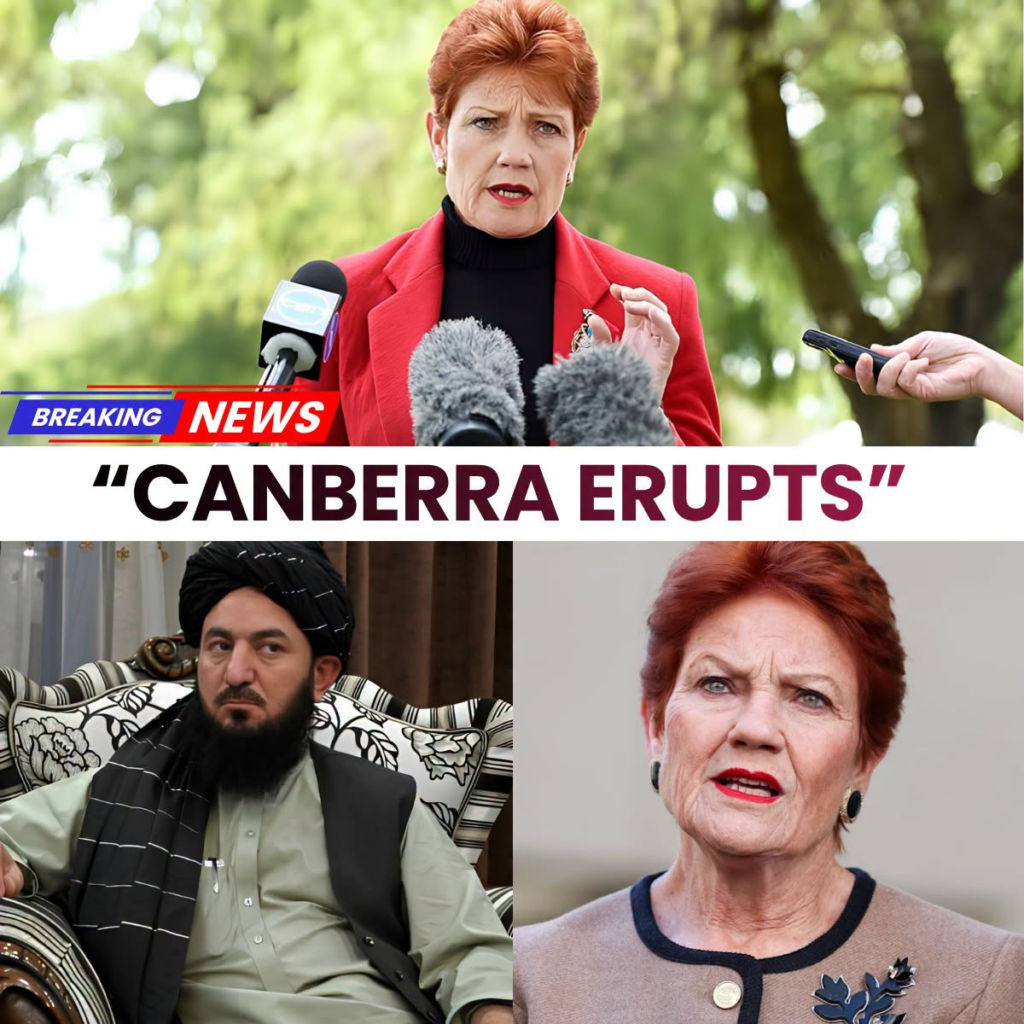
CANBERRA — A renewed political debate over Sharia law, immigration and national security is putting One Nation leader Pauline Hanson back at the centre of Australia’s political conversation.
Hanson has long campaigned against the introduction or recognition of Sharia law in Australia. Her stated political platform calls for Sharia law to be opposed and for Australia to maintain a single legal system applying equally to everyone.
The issue has gained fresh attention as Hanson continues to advocate tougher measures relating to radicalisation, terrorism and migration. In August 2026, she introduced the Protecting Australians from Foreign Terrorist Fighters Bill 2026 in the Senate. The private senator’s bill sought changes concerning Australians linked to listed terrorist organisations and foreign terrorist fighters.
The bill was referred to the Senate Legal and Constitutional Affairs Legislation Committee, with a committee report released in September. Parliament’s official records currently list the bill as not proceeding.
Hanson’s broader position on Islam and Sharia law has also generated significant controversy. In February 2026, she made comments questioning whether there were “good Muslims”, before later clarifying that she did not believe there were no good Muslims. She also continued to argue for tougher immigration screening and raised concerns about radicalisation and Australia’s changing society.
Her remarks prompted a formal Senate censure motion in March. The motion condemned what it described as inflammatory and divisive comments directed at Muslim Australians. The motion passed, although Coalition senators did not collectively support the censure.
The controversy has also reached the legal arena. In July 2026, the Federal Court published documents relating to Hanson’s appeal in Hanson v Faruqi, following litigation involving comments directed at Greens senator Mehreen Faruqi.
At the same time, Hanson has continued to argue that Australia’s immigration and national-security policies need to take a harder approach toward people she considers potential security risks. In July, she said she did not want people coming to Australia from what she described as “radical Islamic countries”, prompting criticism and renewed debate about immigration and discrimination.
The government and civil-rights advocates have taken a different approach, emphasizing Australia’s existing legal framework and the distinction between concerns about violent extremism and the wider Muslim community. The debate therefore extends beyond Sharia law itself to questions surrounding religious freedom, discrimination, national security and Australia’s immigration system.
The central issue is whether Australia’s existing laws are sufficient to address individuals or organisations that promote violence or seek to undermine democratic institutions, while maintaining equal legal rights for people regardless of their religion.
Hanson’s proposals have ensured that these questions remain politically contentious. With Parliament continuing to examine national-security and immigration legislation, the debate over how Australia should respond to extremism — and where the boundaries of religious freedom should lie — is likely to remain part of the national political discussion.