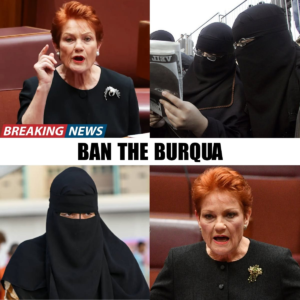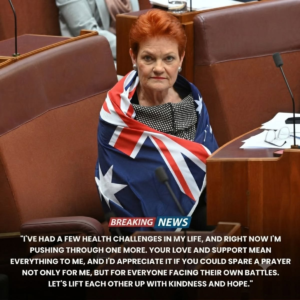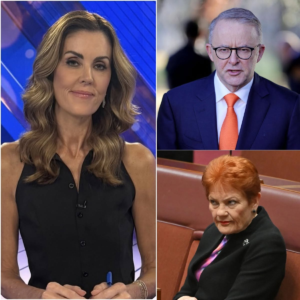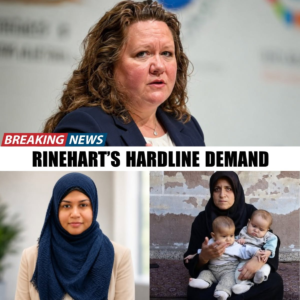
PAULINE HANSON’S SHARIA-FREE AUSTRALIA PROPOSAL SPARKS DEBATE OVER IMMIGRATION AND RELIGIOUS FREEDOM
A controversial claim circulating online has reignited debate over Pauline Hanson’s position on Sharia law, immigration and Australian national identity. But questions remain over the proposal’s reported name, its legal basis and whether the measures described have actually been introduced.

A Controversial Proposal Draws Attention
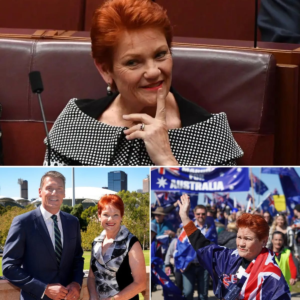
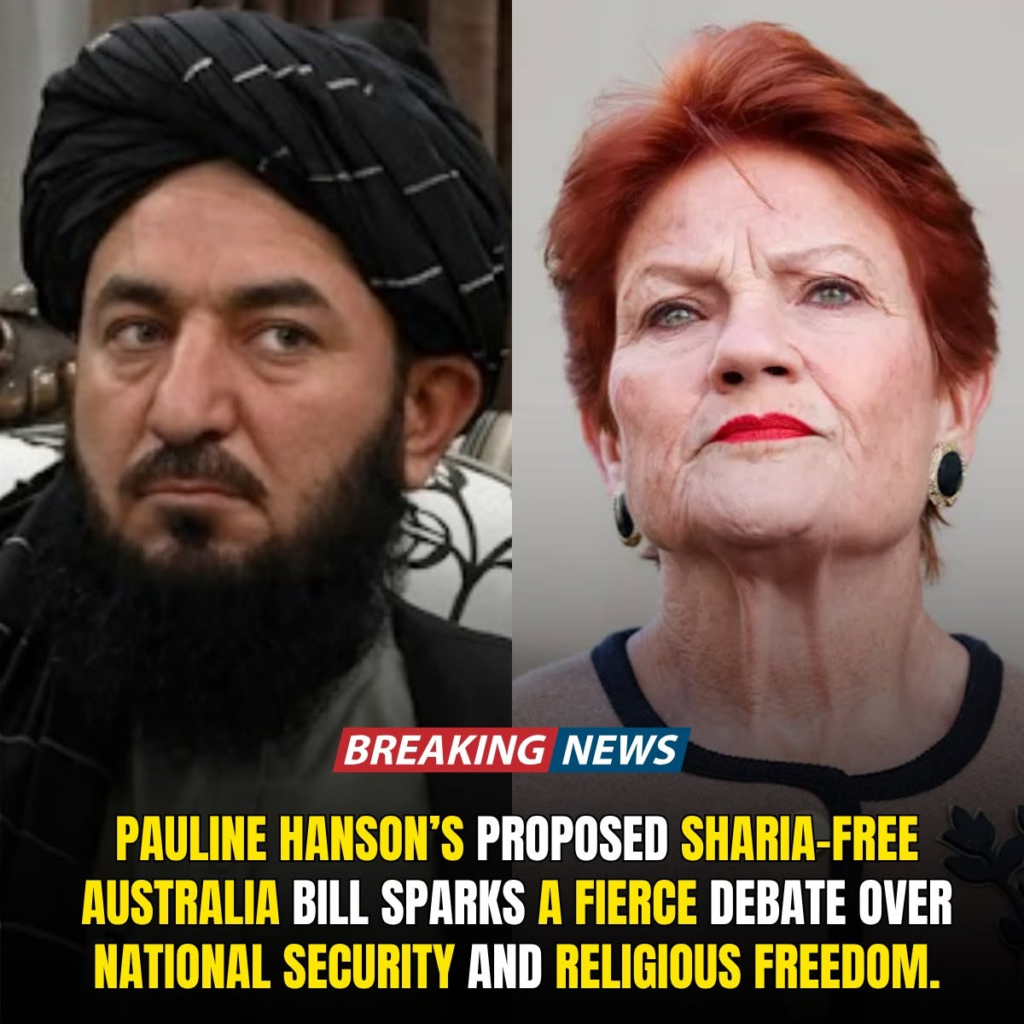
Pauline Hanson and her One Nation party have repeatedly called for Australian law and national values to take precedence over religious rules. A recent social media post has taken that debate further, claiming Hanson has unveiled legislation called the “Preserving a Sharia-Free Australia Act.”
The post describes a proposal that would prevent certain migrants from entering Australia or remove them if they publicly practise or promote Sharia law. It has framed the alleged measures as a major test of Australia’s approach to national security, immigration and religious freedom.
However, the specific bill title and the provisions described in the post could not be independently verified against the parliamentary records reviewed for this article. The claims should therefore not be treated as confirmation that such legislation has formally been introduced.
What Is Hanson’s Position on Sharia Law?
Hanson has publicly opposed the introduction of Sharia law into Australia’s legal system. Her official Senate website lists opposition to Sharia law among One Nation’s stated positions.
Her broader political platform has also called for substantial reductions in migration and tighter restrictions concerning people she associates with extremist ideologies. In previous interviews, Hanson has argued that Australia should operate under one common set of laws and values.
These positions have attracted both support and criticism. Supporters of a uniform legal framework argue that Australian law should apply equally to everyone. Critics contend that proposals targeting religious practices or particular communities risk restricting individual freedoms and encouraging discrimination.
An important distinction remains between opposing the adoption of religious law as state law and restricting a person’s ability to practise a religion privately. Those are different legal and policy questions, and any proposed legislation would need to make its scope clear.
The Constitutional and Legal Questions
If a law were introduced to restrict entry or remove migrants because of their religious beliefs or public religious practices, its precise wording would be central to assessing its legal implications.
Questions could include how the proposal defines the conduct it seeks to prohibit, whether it distinguishes peaceful religious observance from criminal activity, and how it interacts with existing immigration legislation and protections for individual rights.
The social media post suggests that legal specialists and civil rights organisations are already challenging the proposal. However, it does not identify those organisations, provide legal opinions or cite formal proceedings. The existence of a coordinated legal challenge therefore remains unverified.
Australia’s legal system already operates under Australian law rather than recognising Sharia as a separate system of state law. The Australian Associated Press has previously fact-checked misleading claims about the federal government’s position on recognising Sharia law.
That existing framework is an important part of the debate: a proposal to reinforce the primacy of Australian law is not necessarily the same as a proposal to prohibit religious expression.
National Security Versus Religious Freedom
The debate also reflects a wider disagreement over how Australia should address extremism without treating an entire religious community as responsible for the actions of individuals.
Advocates of stricter immigration screening argue that national security and compliance with Australian law should be central considerations. Civil liberties concerns, meanwhile, focus on whether restrictions would be clearly defined, proportionate and applied without unfairly targeting people because of their faith.
Any assessment of a proposed law would need to examine its actual provisions rather than relying solely on political slogans or social media descriptions.
The distinction is particularly important when discussing Sharia, a broad term covering religious principles and interpretations that Muslims understand and practise in different ways. Public support for religious observance should not automatically be equated with support for extremism or rejection of Australian law.
What Is Confirmed — and What Remains Unclear?
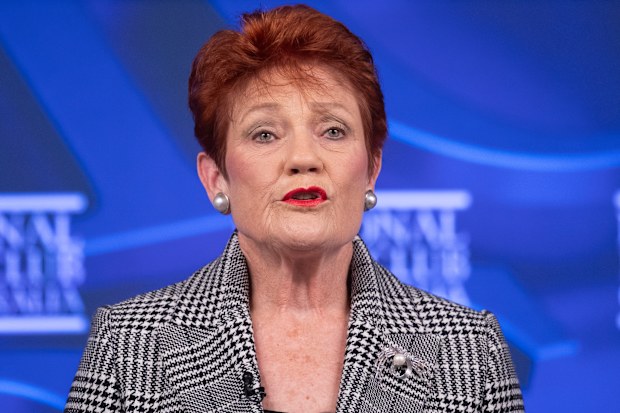
Parliamentary records confirm that Hanson sponsored the Protecting Australians from Foreign Terrorist Fighters Bill 2026, introduced in the Senate on 12 August 2026. The parliamentary record lists that bill as not proceeding.
That is a verifiable legislative development, but it is not evidence that the separately named “Preserving a Sharia-Free Australia Act” exists or contains the measures described in the social media post.
Until an official bill text or reliable announcement confirms those details, claims about a new ban, migrant removals or an impending constitutional showdown should be treated with caution.
The underlying political debate is real: how should Australia balance a common legal framework, national security, immigration controls and freedom of religion? But the answer depends on the policies actually proposed and the legal safeguards attached to them—not simply on a dramatic headline.